Background
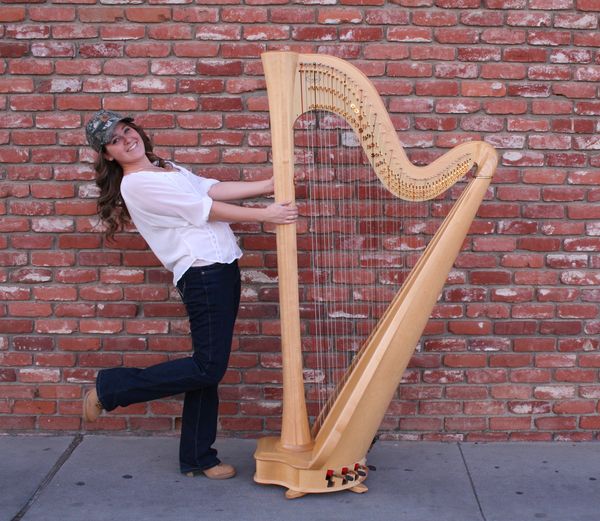
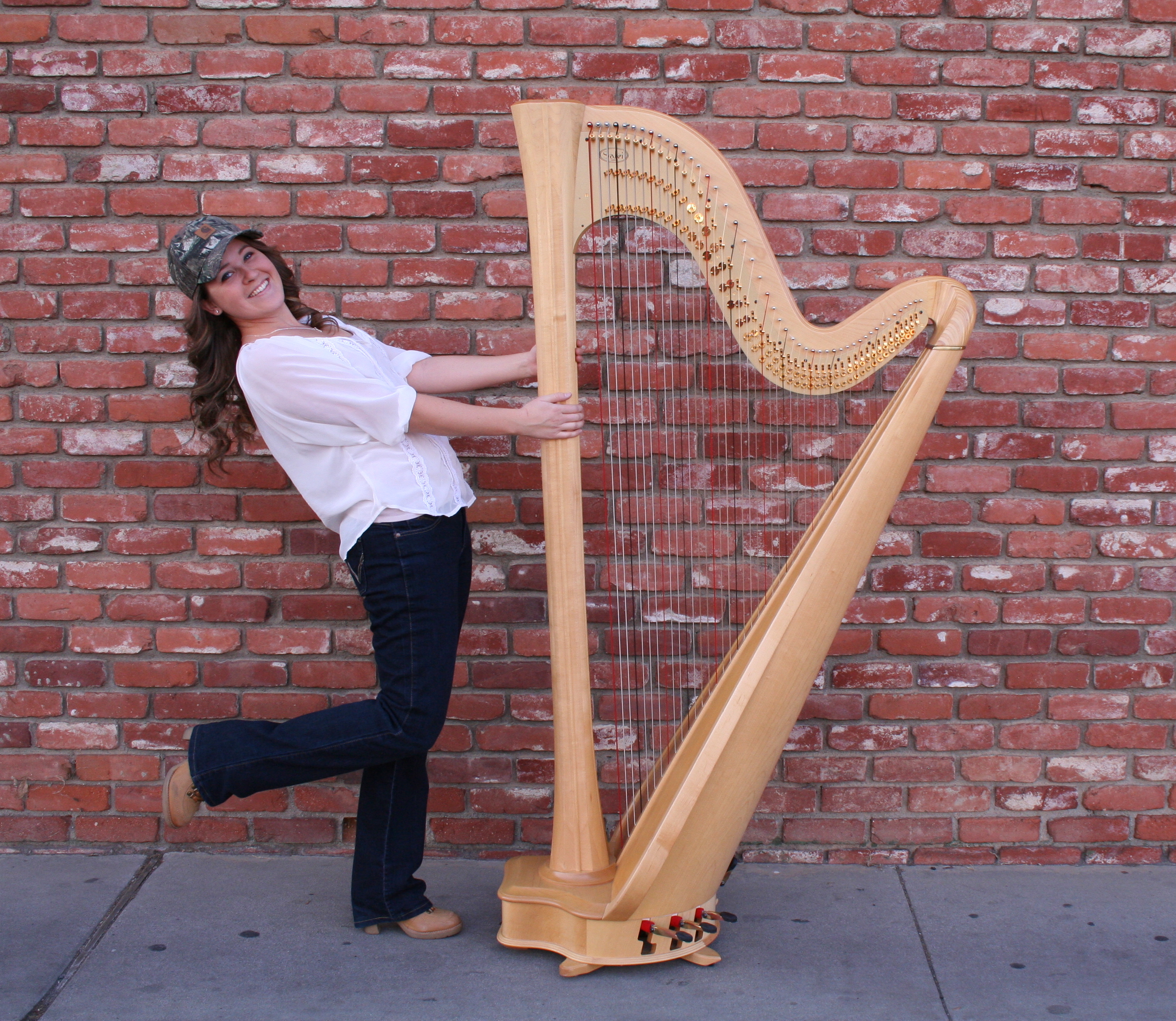
Growing up as a harpist, I never fit the stereotype of a typical harpist. The stereotype of angelic, classical, pretty music and personality is what people usually think of when picturing a harpist. I was that student that would rather improvise my own music than to practice yet another etude. I would always try to figure out how to play my favorite pop, rock, or blues song or theme song from a movie. In high school, I performed rock standards such as Stairway to Heaven at my school talent shows. I had only been playing the harp for about two or three years when I saw a PBS special with Deborah Henson-Conant. She took the harp to a new level. She performed everything from classical, folk, jazz, and even rock. And, better yet, she played the electric harp. After viewing this PBS special, I was inspired to never be “the typical harpist”. I wanted to be different. I wanted to break the stereotype of how the harp is viewed. I kept with my classical training to improve my technique, tone, and abilities and I plan on using it to my advantage to create a unique sound for myself. I grew up listening to classic rock, blues, and country music and have absolutely fallen in love with country music in the past few years. There have been many harpists throughout the years that have been successful in both the blues/jazz and rock industries, Deborah Henson-Conant being one of the first to be successful in both. I would like to become the first successful country harpist.
Project Summary
During the course of this project, I worked on arranging a country song for solo harp to be able to record and sell.
Timeline
Week 1
Figuring out what country song I wanted to arrange a cover of.
Week 2
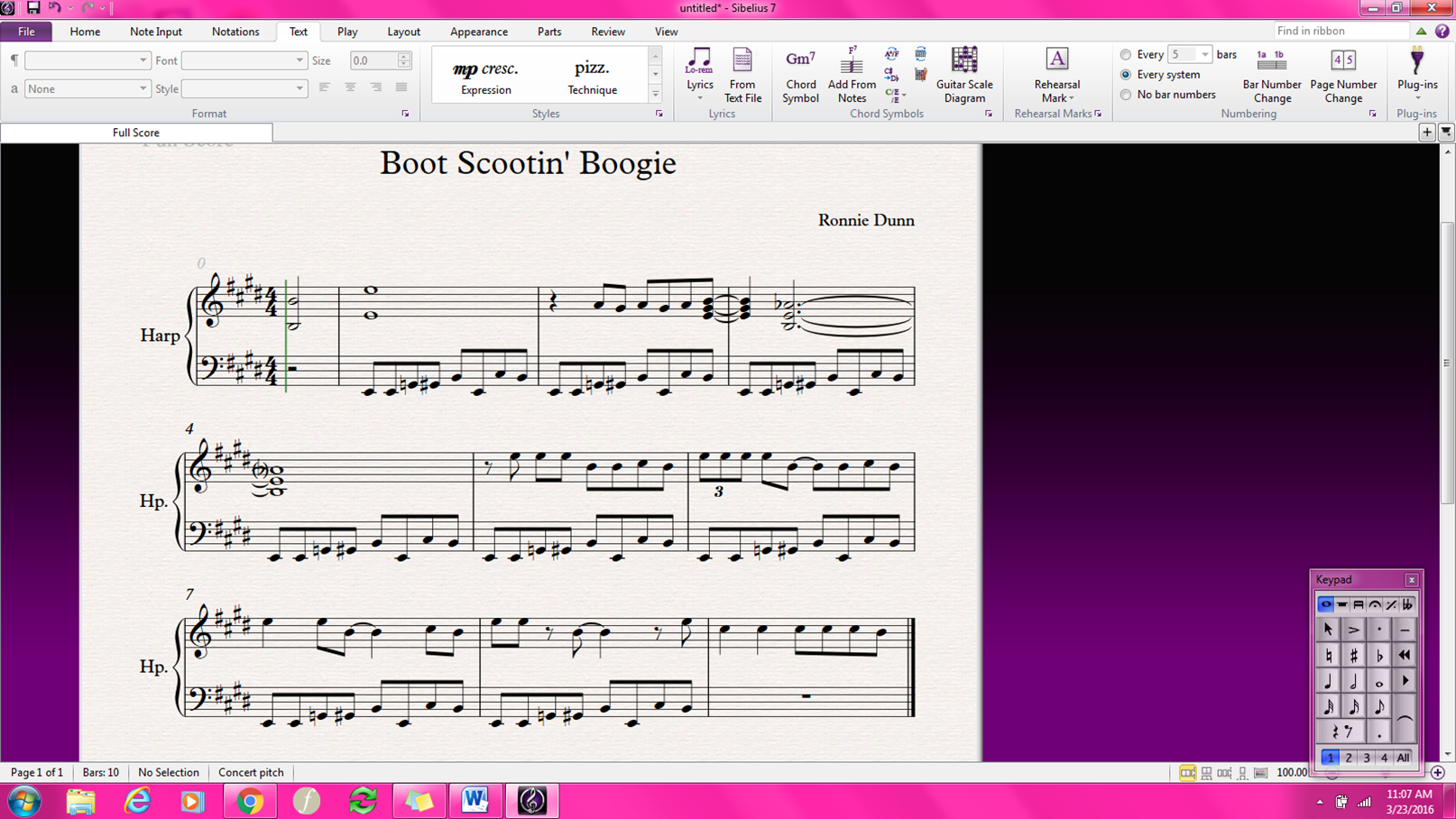
Started working out certain sections of Boot Scootin’ Boogie on the harp to figure out what sounded best and how I wanted to piece to come across on the harp
Week 3
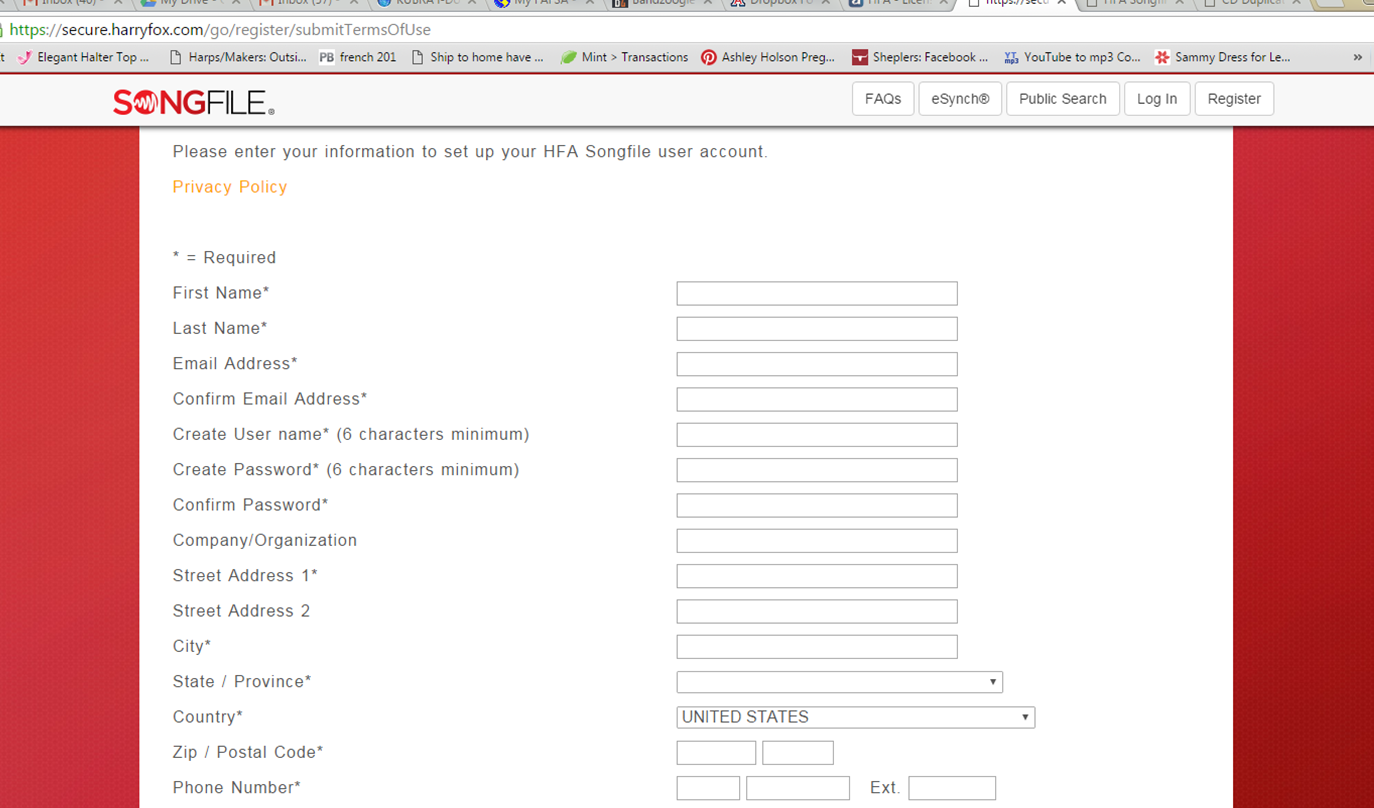
Started learning the piece and was able to record a short demo to post online for my audience to hear it. Also, started looking into how to obtain a mechanical license to eventually record a cover.
Week 4
I decided to postpone the recording until a later date in order to give myself time to create a better arrangement instead of a hastily put together one. I worked some more on the arrangement of Boot Scootin’ Boogie.
Week 5
Started to put my arrangement of Boot Scootin’ Boogie into a notation program in order to better see my edits and to have a copy to easily learn from and publish in the future.
Week 6
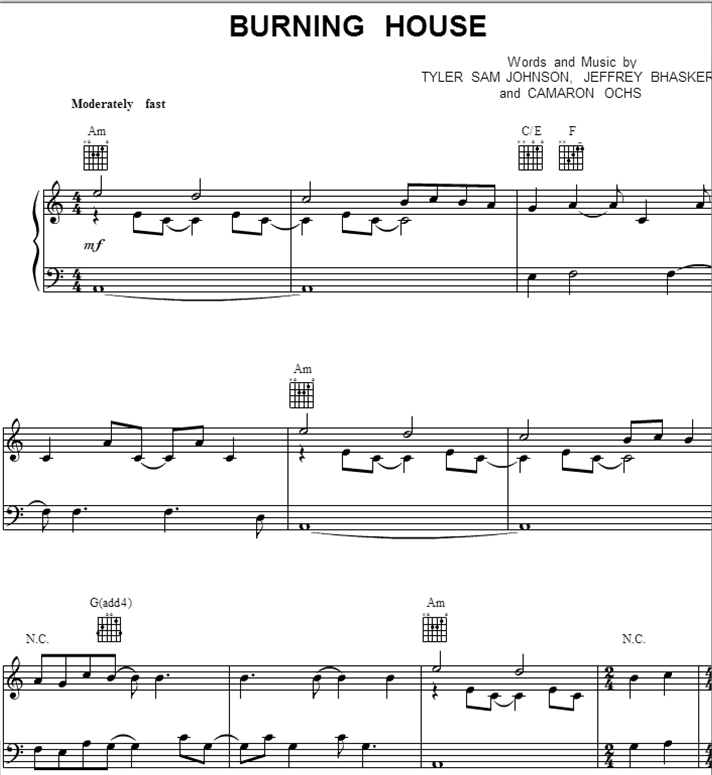
After talking to some of my audience, I decided that Boot Scootin’ Boogie was not capturing my audience in the way I wanted. I then decided to pick a new song to arrange while putting the old on the back burner. I chose Burning House by CAM.
Week 7
Started working out problem sections in the music for the harp and learning the first part of the music for Burning House.
Week 8
Started trying to figure out how to play both the accompaniment and the melody at the same time and learned more of the music.
Results
During the course of this project, I was able to see that playing country music on the harp is possible. I was able to get a partial arrangement of Boot Scootin’ Boogie and receive feedback on it. It was after receiving feedback that I realized that it takes just the right song to capture your audience and wow them. I then decided to change the song I was arranging to Burning House by CAM, a newer country song. The feedback I got on that piece was the complete opposite from Boot Scootin’ Boogie and solidified my realization from earlier. During this project, I also researched how to obtain the correct licenses to record and sell a cover song. By the end of the eight weeks, I was able to find a song that captured my audience’s attention and start an arrangement of it as well as post clips of both songs throughout the timeline.
Reflection
When I entered into this project, I had enthusiasm and high ambition to really stick to my timeline and complete this project fully by the end of the eight weeks. I received a lot of encouragement from my peers, family, and audience. I felt like this was going to be the push that I needed to finally begin in the direction I’ve always wanted to go with music. But, as the timeline moved forward, I started losing some of that initial ambition, partly due to being in the middle of a semester with a full course load. Part of this was also due to choosing the wrong song to arrange, it just wasn’t capturing my full attention. After realizing that the song I chose was not only failing to capture my attention but my audiences as well, I decided that I needed to choose a different song.
It took me a while to figure out what song I wanted to switch to and if I even wanted to stay in the same genre of music. I love country music, but I wasn’t sure it was working out for harp. I finally decided that I had not given the genre enough of a chance and stayed within the genre. I picked a new song and that made all the difference. I realized that not all songs can work for every instrument. And, although I want to break the stereotype of how the harp is viewed, the nature of the instrument still needs to be taken into account. I do think that my original choice can work, but it will take a lot of time and creative thinking to make it work on the harp. With the new choice of song and after posting a clip online, I was met with a completely different reaction that with the other song. It was one of overwhelming excitement and encouragement to continue with that choice. After receiving that feedback, I realized that no matter what the genre is or what the instrument is, it takes the right song to really capture your audience and engage them.
Also during these eight weeks, my outlook on my project changed overall. Where in the beginning, I wanted to have a cover recorded, licensed, and up for sale by the end of the eight weeks, by the middle, that outlook changed. I realized that it takes a lot longer to prepare an great arrangement, learn the music, and prep your performance of it for recording not to mention all of the steps you need to go through to obtain the right licenses. By putting off the recording to a later date (yet to be determined), it took the stress off of the project and made it fun again. Playing music, for me, is a passion. I don’t want to do anything that will make music not fun. So, I have to always make sure I am doing what I can to keep it fun and make sure I am still in love with the art.
I think that the biggest thing I learned from this project was that I don’t want to constrain myself to one genre of music, for example, play only country music. If I do that, then it takes away from my whole goal of what I want to accomplish with the harp. It would be the same as being one of the other hundreds of harpist that only perform classical music and never branch out. I want to show a wide range of styles that can be performed on the harp. This semester, I have been taking private lessons in jazz and although jazz has never been one of my favorite genres, I have fallen in love with playing it. It has opened up my mind to so many more possibilities of what can be done. The biggest lesson learned from this project, I think, was to not constrain myself and always believe that anything really is possible.
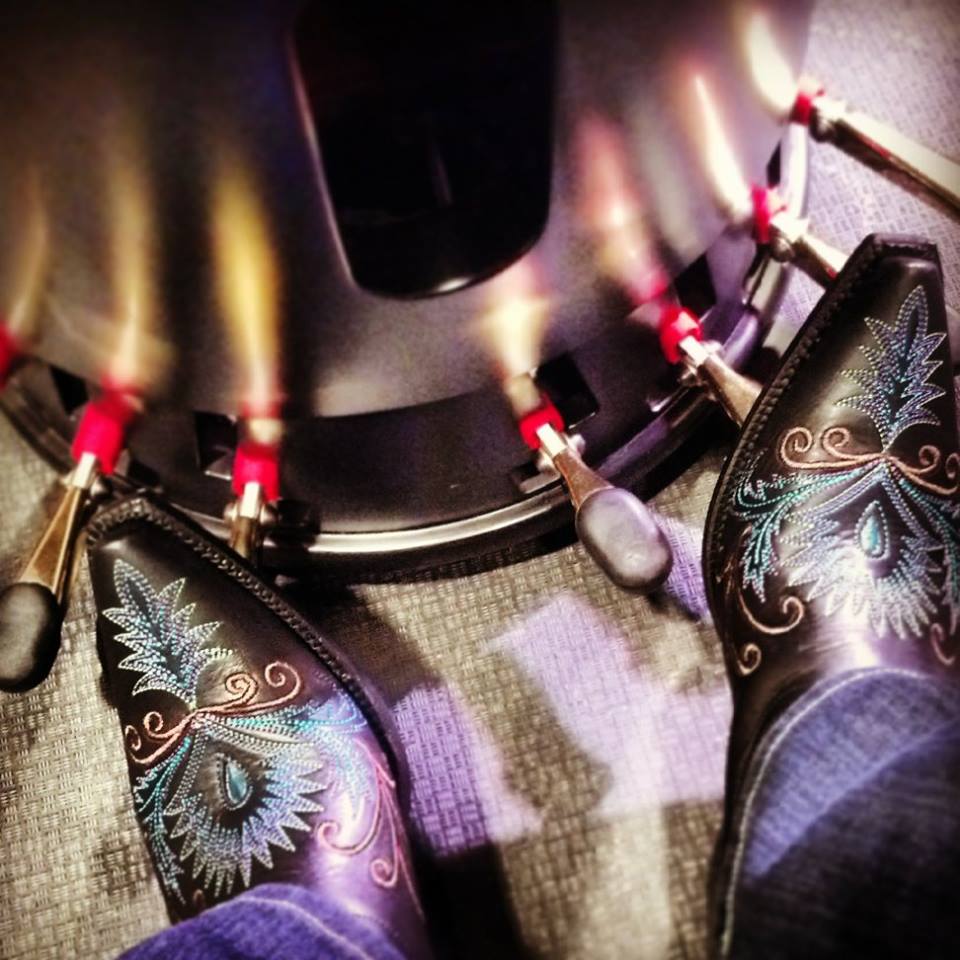
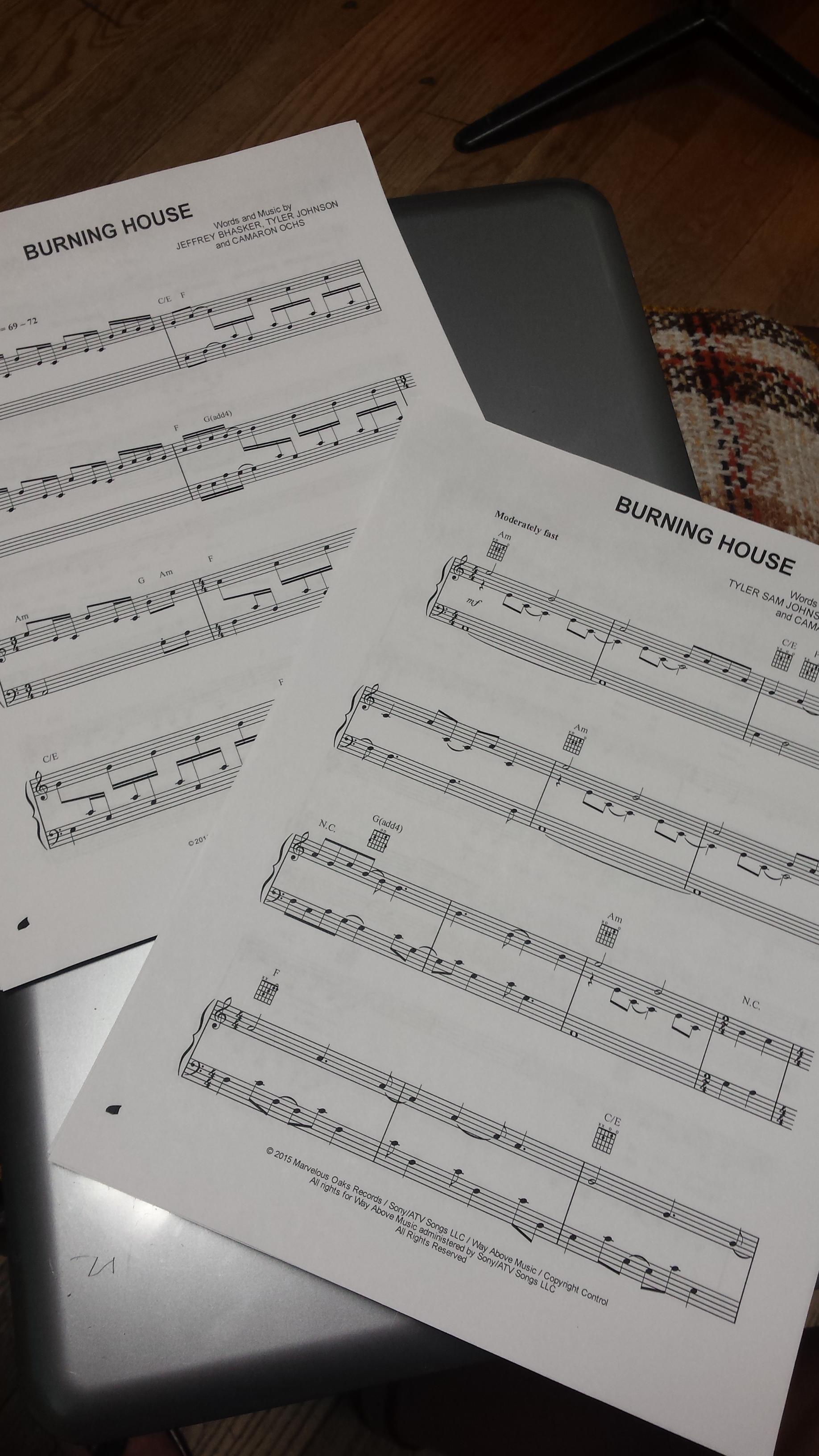
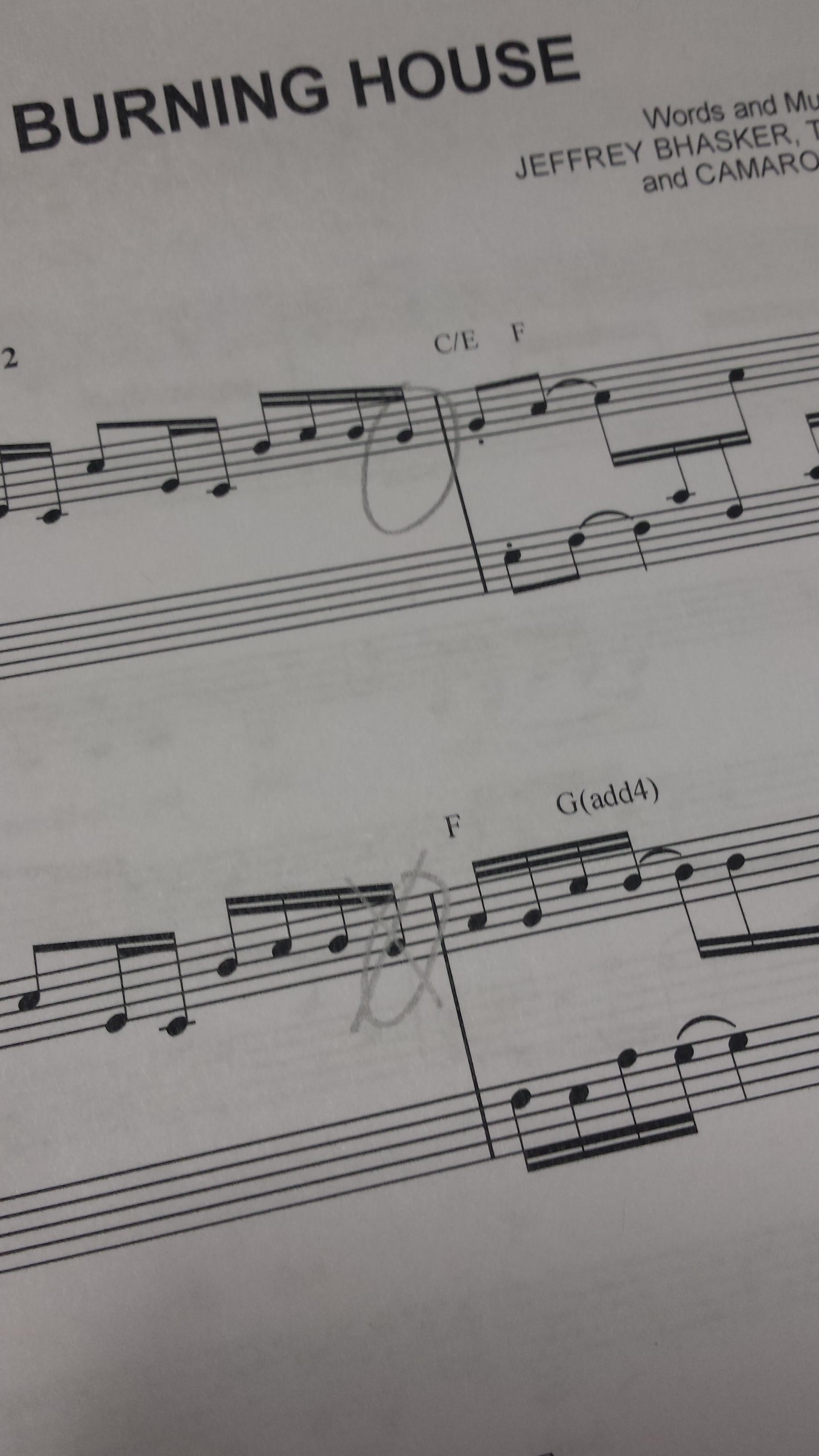
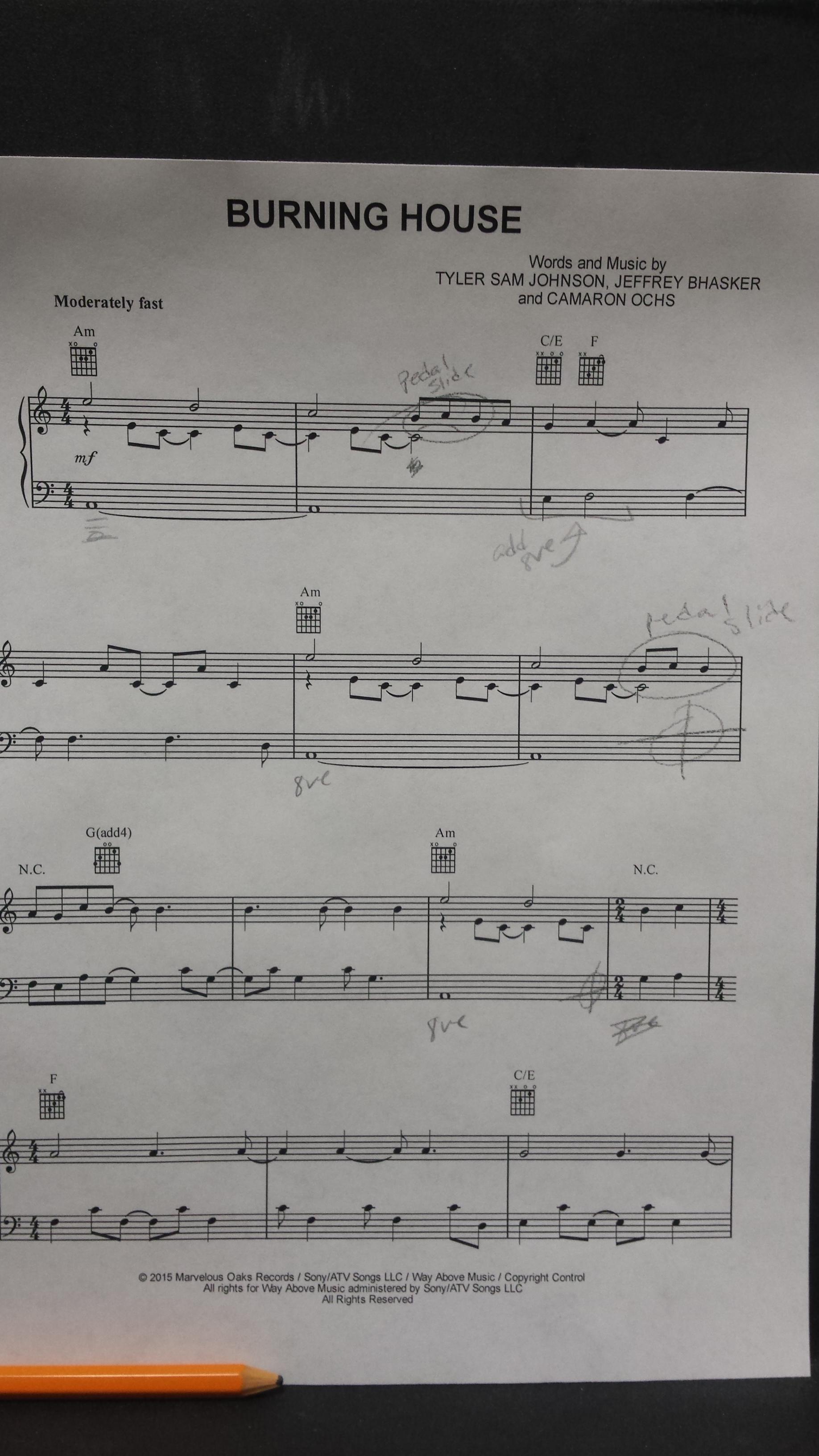
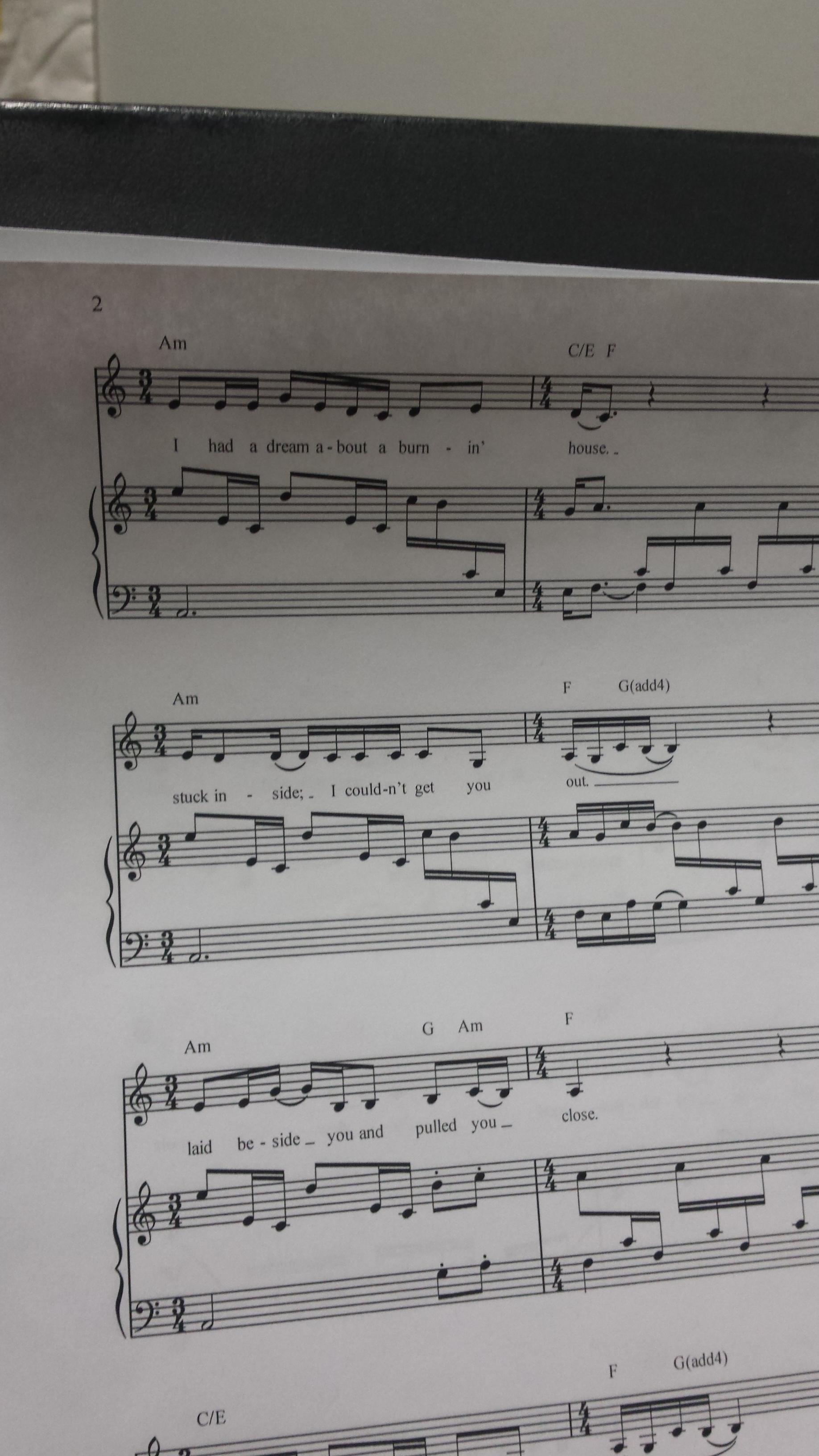
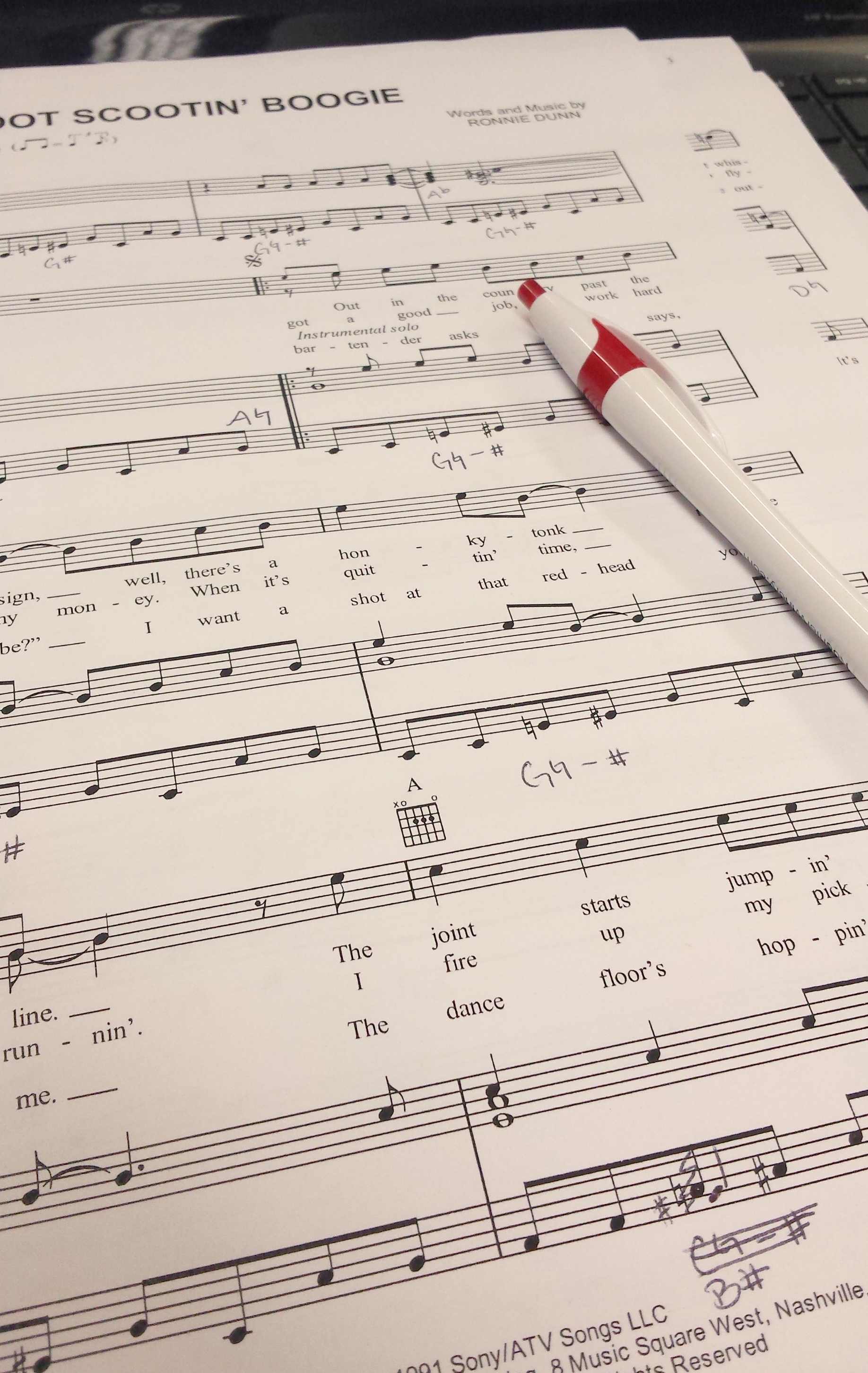
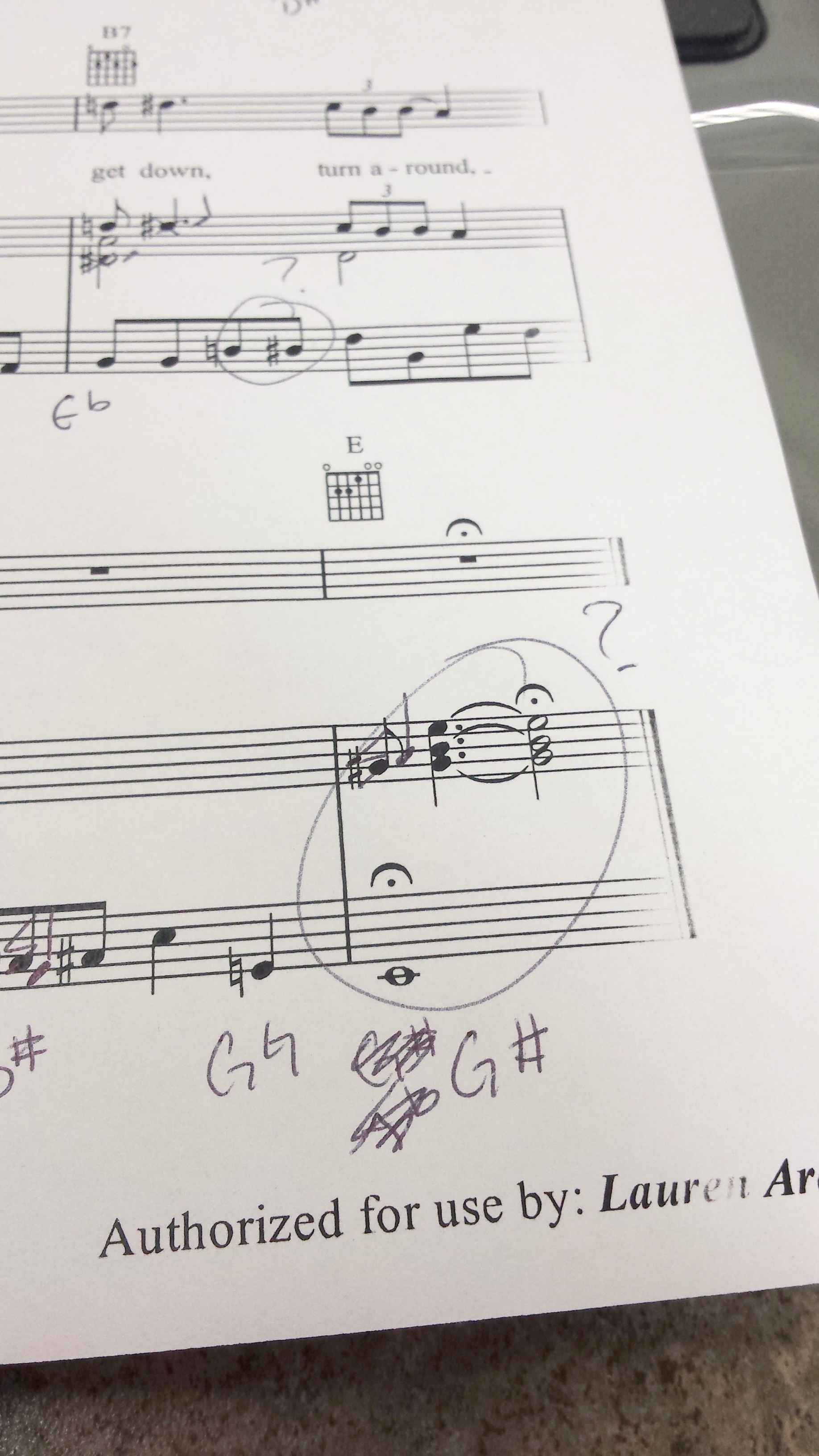
 I also made a change in measure nine. I changed the C natural to its enharmonic spelling of a B sharp. I had to make this change as there is a C sharp over a C natural which is impossible to play on the harp without using enharmonic spelling.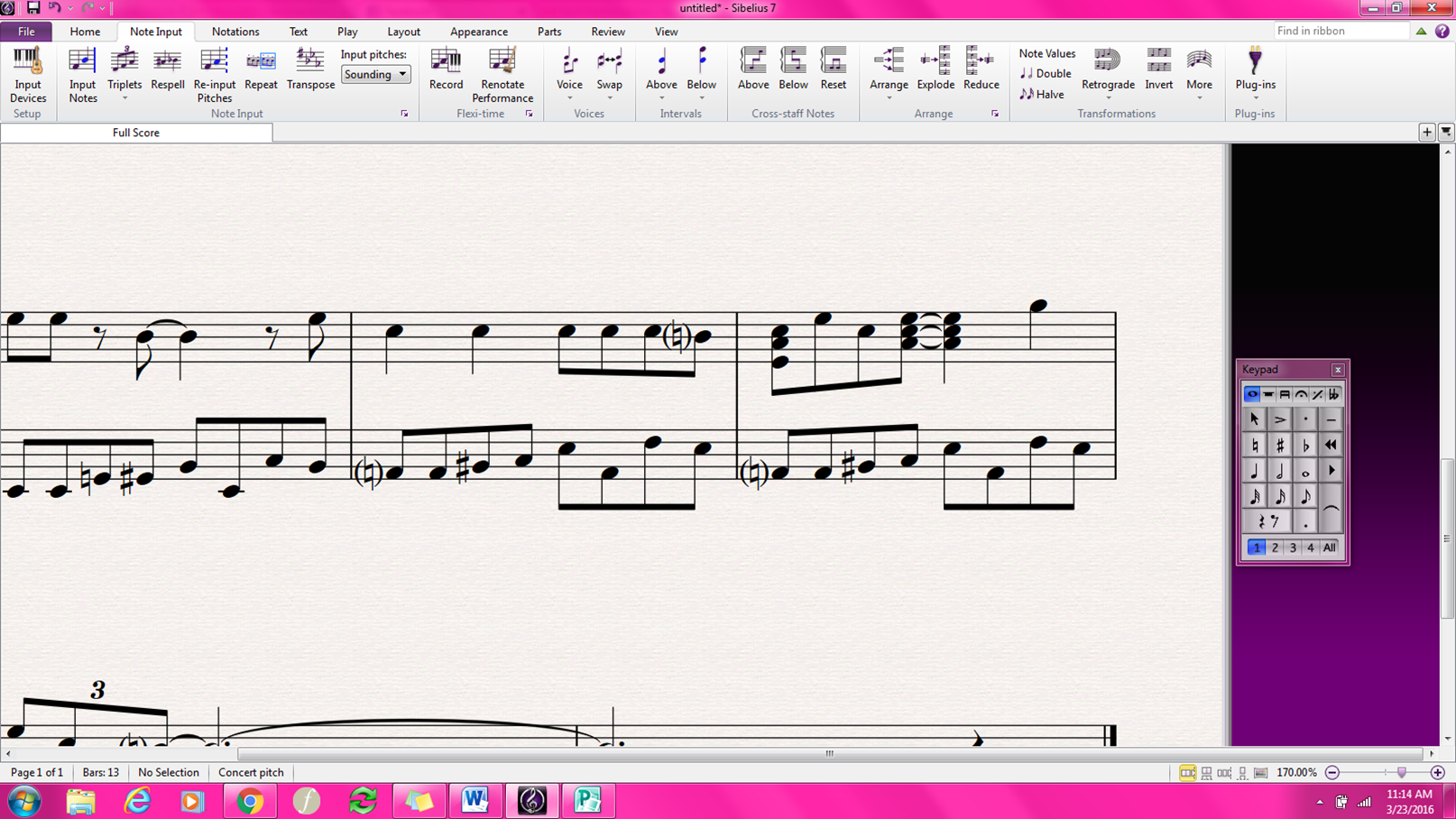

 In loving memory of my great grandfather, Harold Earl Roach, Jr.!